Mind-Boggling Blunders: Hilarious Quotes to Brighten Your Day
In the Labyrinth of Self-Doubt: Navigating the Echoes of Feeling Stupid Quotes
Have you ever been haunted by a nagging feeling of stupidity, as if an invisible voice whispers doubts in your ear, questioning your intelligence? These feeling stupid quotes encapsulate the essence of this internal struggle, offering poignant expressions of self-doubt, resilience, and the quest for self-acceptance.
Feeling stupid is not a one-size-fits-all experience; it can manifest in various ways. It might be the fear of making mistakes, the anxiety of not being good enough, or the paralyzing sense of inadequacy. Whatever the form, feeling stupid can leave us feeling isolated, ashamed, and stuck.
Feeling stupid quotes serve as a mirror, reflecting our vulnerabilities and insecurities, yet they also offer a beacon of hope. They remind us that we are not alone in our struggles and that it is possible to overcome self-doubt and embrace our intelligence.
Navigating the maze of feeling stupid quotes can be a transformative journey. It is an opportunity to confront our inner critic, challenge limiting beliefs, and cultivate self-compassion. These quotes can become stepping stones on the path to self-acceptance and personal growth.
Feeling Stupid: Unraveling the Enigma of Self-Doubt and Embracing Intelligence

1. Unveiling the Enigma of Self-Doubt: We all experience moments of self-doubt, feeling like we're not smart enough or capable of achieving our goals. However, understanding the nature of self-doubt and recognizing its limitations can empower us to break free from its clutches.
2. The Illusion of Intelligence: Society often equates intelligence with academic prowess or professional success, creating an illusion that some people are innately smarter than others. This misconception can lead to feelings of inadequacy and a persistent sense of stupidity, especially when comparing ourselves to others.

3. The Spectrum of Intelligence: Intelligence is not a fixed entity; it manifests in various forms and abilities. People may excel in different areas, such as creativity, problem-solving, social skills, or practical knowledge. Recognizing and appreciating the diverse expressions of intelligence can help us challenge the narrow societal definitions.
4. The Comparison Trap: Comparing ourselves to others is a surefire way to fuel feelings of stupidity. Everyone has strengths and weaknesses, and focusing on our shortcomings while ignoring our talents only amplifies self-doubt. Instead, let's embrace our unique abilities and celebrate our differences.

5. The Power of Perspective: Our perception of our intelligence is often subjective and influenced by our experiences and emotions. A bad test score or a critical comment can temporarily diminish our self-confidence. However, shifting our perspective and focusing on our growth and progress can help us overcome these transient feelings of stupidity.
6. Embracing Failure as a Learning Opportunity: Mistakes and failures are inherent parts of the learning process. Instead of dwelling on our errors or labeling ourselves as stupid, let's embrace them as opportunities to learn, grow, and develop resilience. Failure is not a sign of stupidity; it's a catalyst for progress.

7. Cultivating a Growth Mindset: Adopting a growth mindset, which emphasizes the belief that intelligence can be developed through effort and perseverance, can be transformative. When we believe that we can improve our abilities through hard work and dedication, we become more resilient in the face of challenges and less likely to feel stupid.
8. Celebrating Our Achievements: It's easy to get caught up in our shortcomings, but it's equally important to acknowledge and celebrate our accomplishments, no matter how small they may seem. Taking the time to appreciate our successes can boost our self-confidence and remind us of our capabilities.

9. Seeking Support and Guidance: If feelings of stupidity become overwhelming, seeking support from friends, family, mentors, or therapists can be invaluable. Talking about our struggles can help us gain a fresh perspective, develop coping mechanisms, and build a stronger sense of self-worth.
10. Practicing Self-Compassion: Being kind and compassionate towards ourselves is crucial in overcoming feelings of stupidity. Instead of berating ourselves for our perceived shortcomings, let's practice self-acceptance and treat ourselves with the same kindness and understanding we would offer to a friend.
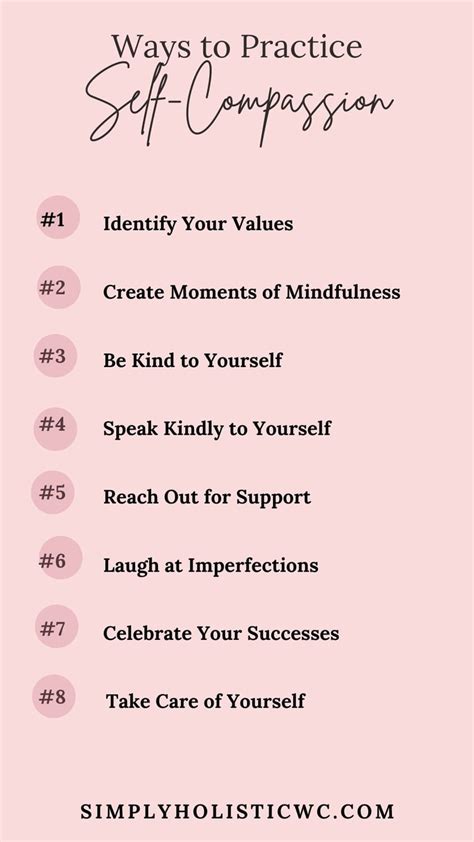
11. Nurturing a Positive Inner Dialogue: The way we talk to ourselves has a profound impact on our self-perception. Replace negative self-talk with positive affirmations and encourage yourself to focus on your strengths and potential. A positive inner dialogue can gradually shift our mindset and reduce feelings of stupidity.
12. Challenging Negative Assumptions: Often, our feelings of stupidity are rooted in negative assumptions we hold about ourselves. These assumptions may be based on past experiences or societal expectations. Questioning and challenging these assumptions can help us break free from their grip and embrace a more realistic and positive self-image.

13. Embracing Lifelong Learning: One of the best ways to overcome feelings of stupidity is to embrace lifelong learning. Continuously acquiring new knowledge and skills not only expands our intellectual horizons but also boosts our confidence and sense of accomplishment.
14. Practicing Mindfulness and Meditation: Mindfulness and meditation can help us become more aware of our thoughts and emotions, including those related to feelings of stupidity. By observing these thoughts and emotions without judgment, we can gain a deeper understanding of ourselves and develop more compassionate responses.

15. Seeking Professional Help: In some cases, feelings of stupidity may be rooted in underlying mental health conditions, such as depression or anxiety. If these feelings persist or significantly impact your daily life, it's advisable to seek professional help. A therapist can help you explore the root causes of your feelings and develop effective coping strategies.
Conclusion: Feeling stupid is a common experience that can stem from various factors, including societal expectations, self-doubt, and negative self-talk. However, by understanding the nature of intelligence, embracing failure as a learning opportunity, cultivating a growth mindset, practicing self-compassion, and challenging negative assumptions, we can overcome these feelings and tap into our true potential. Remember, intelligence is not a fixed trait; it can be nurtured, developed, and celebrated in all its diverse forms.
FAQs:
1. What is the difference between intelligence and stupidity? Intelligence is the ability to acquire and apply knowledge and skills, while stupidity is the lack of intelligence or the inability to learn and understand.
2. How can I overcome feelings of stupidity? Embrace a growth mindset, practice self-compassion, challenge negative assumptions, and engage in lifelong learning.
3. Why do I feel stupid when I make a mistake? Mistakes are a natural part of learning and growth. Feeling stupid after making a mistake is often rooted in negative self-talk and the fear of being judged.
4. How can I stop comparing myself to others? Focus on your own progress and accomplishments, and celebrate your unique strengths and abilities.
5. Is it possible to be intelligent and still feel stupid? Yes, it is possible to possess intelligence and still experience feelings of stupidity due to factors such as self-doubt, negative self-perceptions, or unrealistic expectations.
Post a Comment for "Mind-Boggling Blunders: Hilarious Quotes to Brighten Your Day"